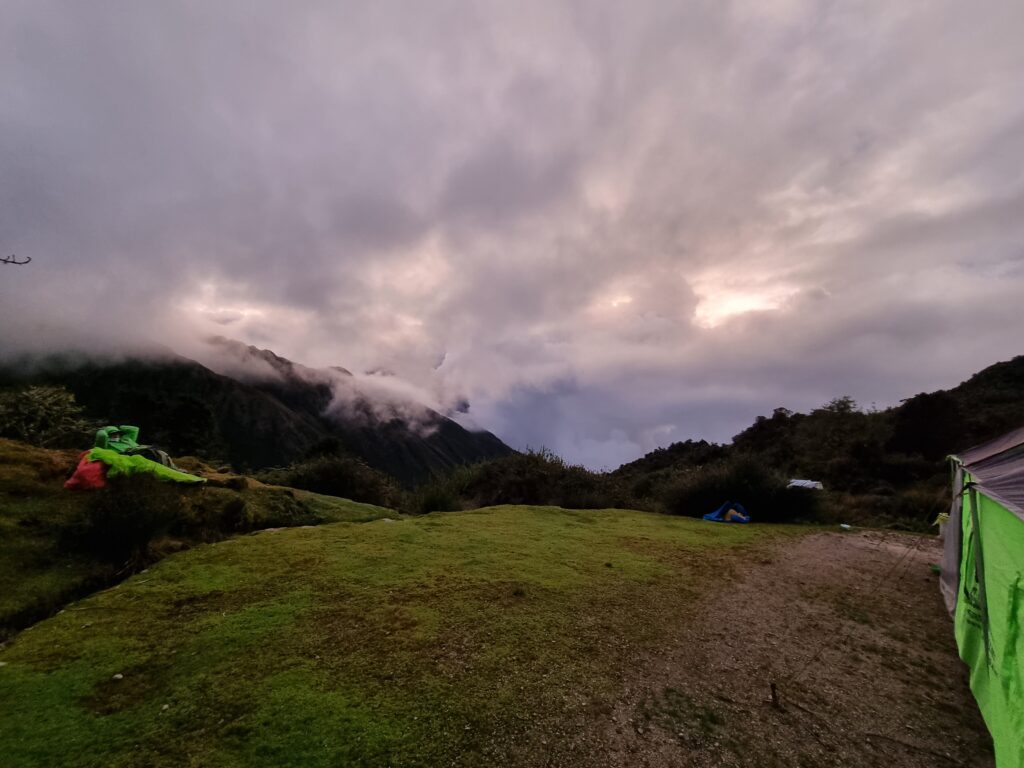
Abel woke me up at around four in the morning. A gentle knock on my tent interrupted what had, until then, been a perfectly silent night. I unzipped the entrance and, without wasting a single word, he handed me a steaming cup of coca tea.
It was freezing. We were camped high in the Andes, miles from the nearest village and far beyond the reach of any artificial light. Yet the moon illuminated Abel’s face with the softness of a summer evening, revealing the smile that never seemed to leave him. For a long time, I was convinced that smile had to be some kind of permanent facial twitch. Eventually, I realised he was simply happy.
As I slowly sipped the hot tea, Abel pointed towards the sky and whispered,
“Look up.”
The sky was overflowing with stars. I’d never seen them so close before, as though I could simply reach out and pluck them from the heavens like apples from a tree. Above us, the moon flooded the night with so much light that it resembled an enormous streetlamp suspended in the sky. Only then, so far removed from cities and civilisation, did I truly understand how brilliantly the night sky shines.
For a brief moment I wanted to share that thought with Abel, but I stopped myself. He had spent his entire life in these mountains. There was nothing I could possibly tell him about this sky that he didn’t already know. So I stayed quiet, finished the last sip of my now lukewarm tea, and for several minutes neither of us spoke. We simply stood there, our eyes fixed on the heavens, as though we were waiting for something extraordinary to happen.
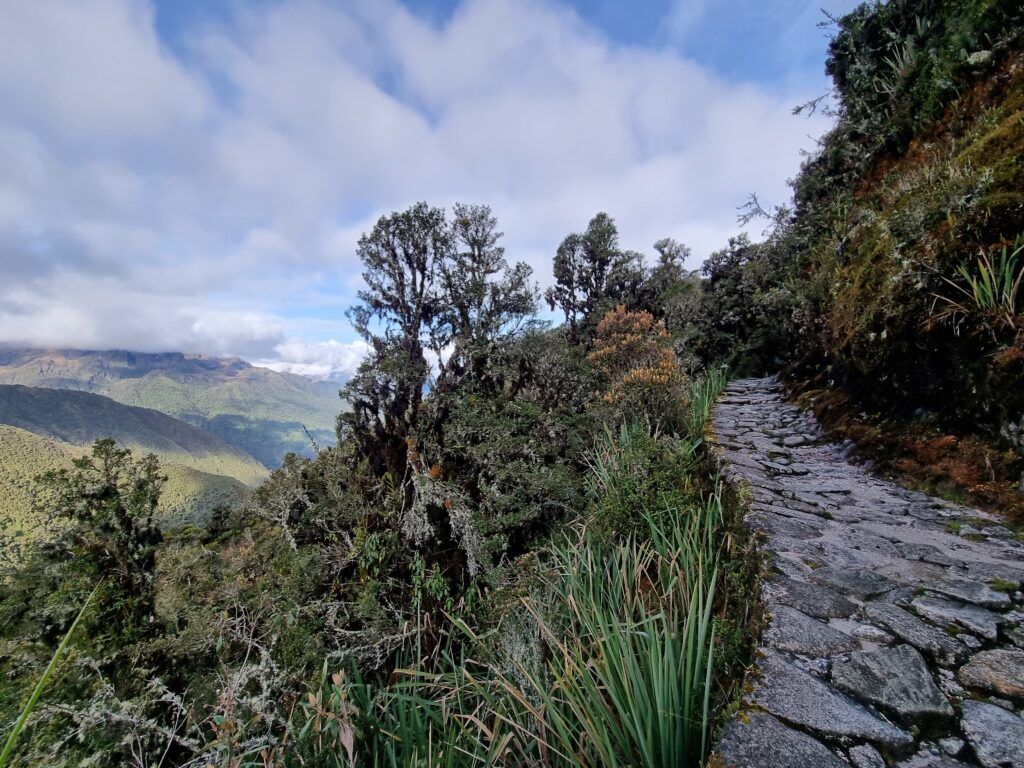
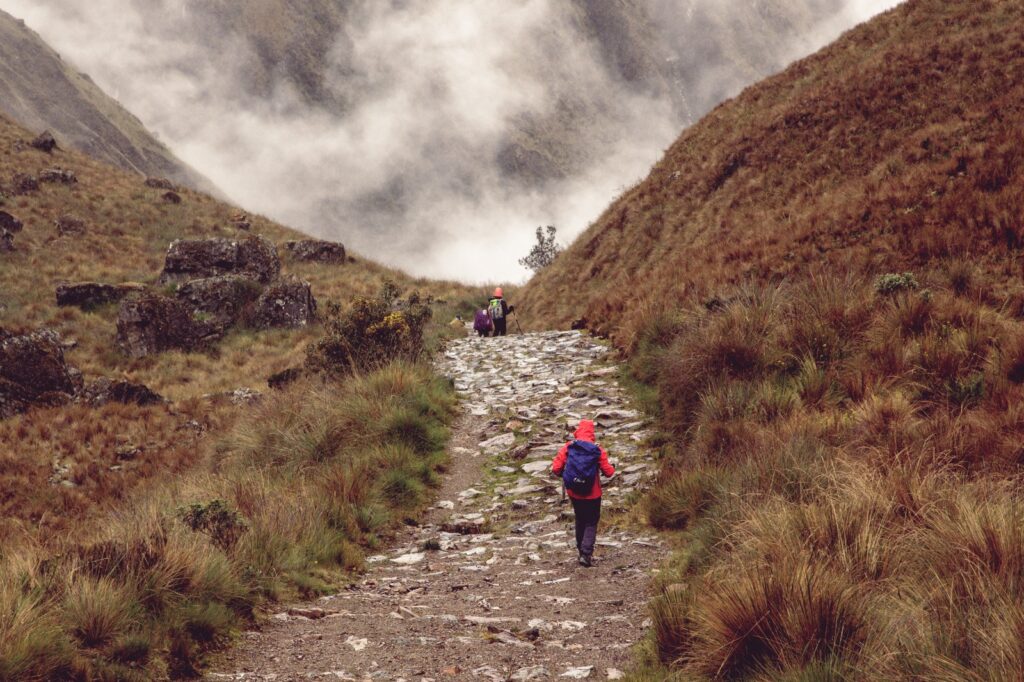
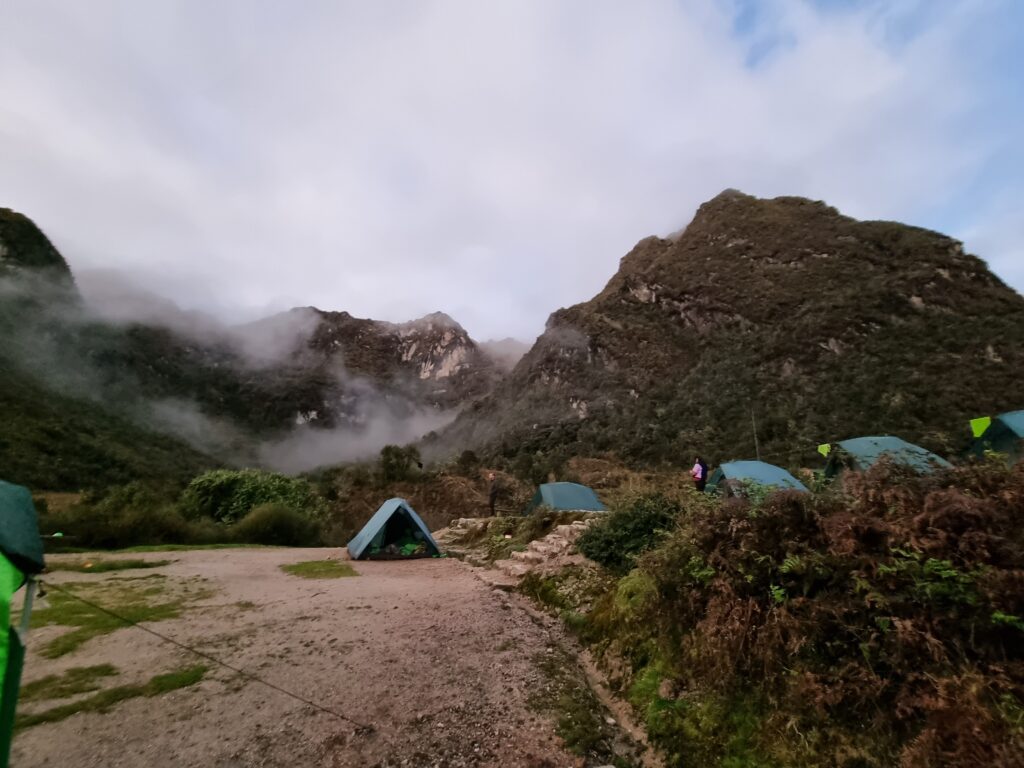
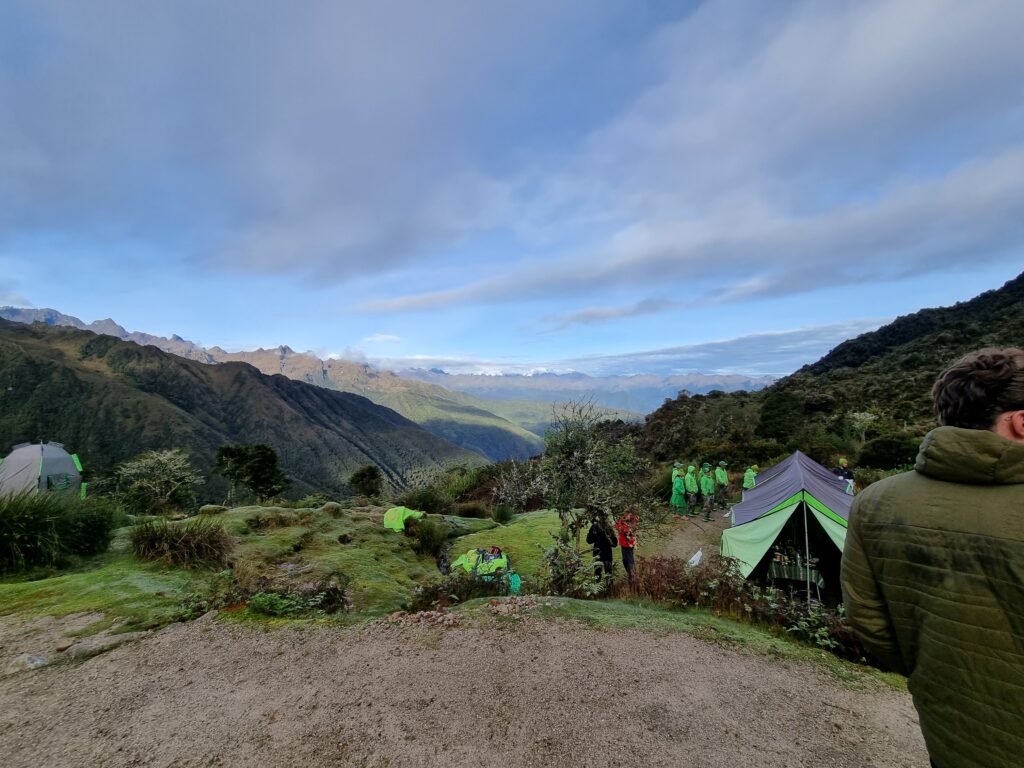
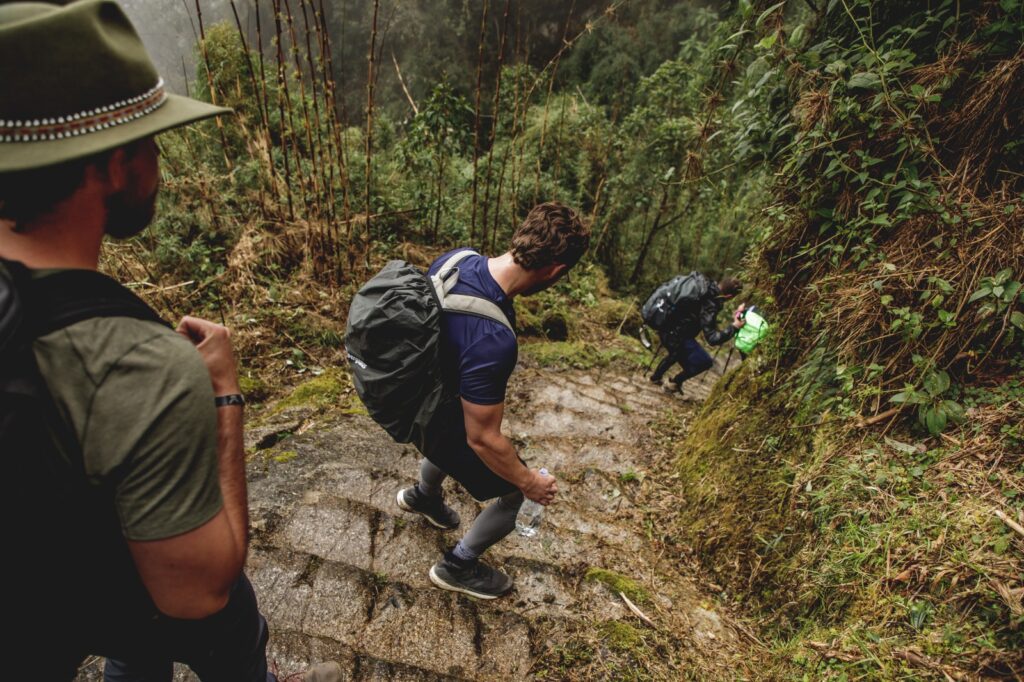
The climb took three full days and part of a fourth. It wasn’t easy, for several reasons. I remembered being in far better shape, and the altitude hit me hard, bringing headaches and shortness of breath that I tried to ease by chewing coca leaves, just as people have done in the Andes for centuries. The weather had a mind of its own. One moment the sun was shining, the next a light drizzle rolled in. The ever-changing climate, shifting vegetation, and constant changes in altitude all came with their own challenges.
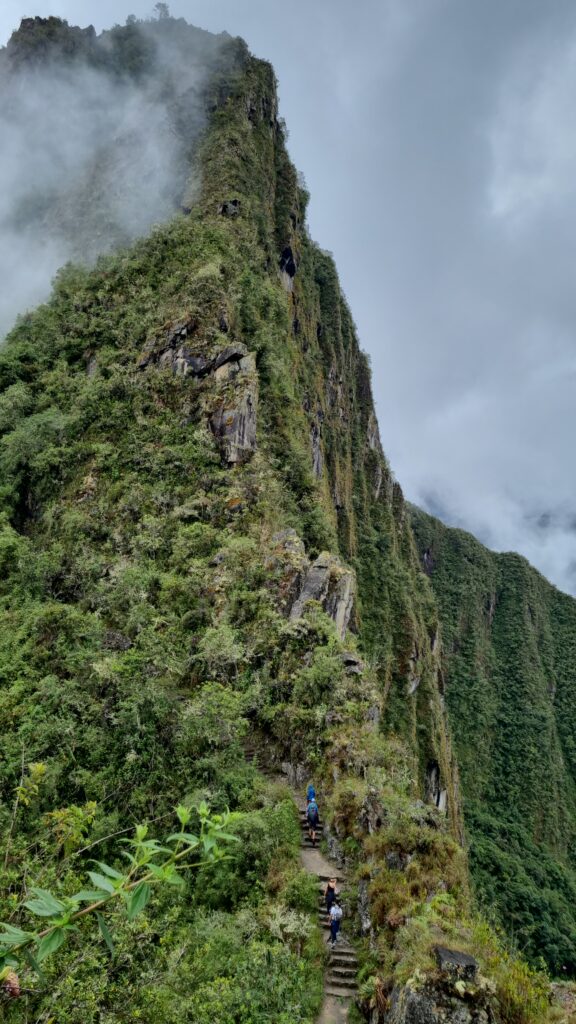
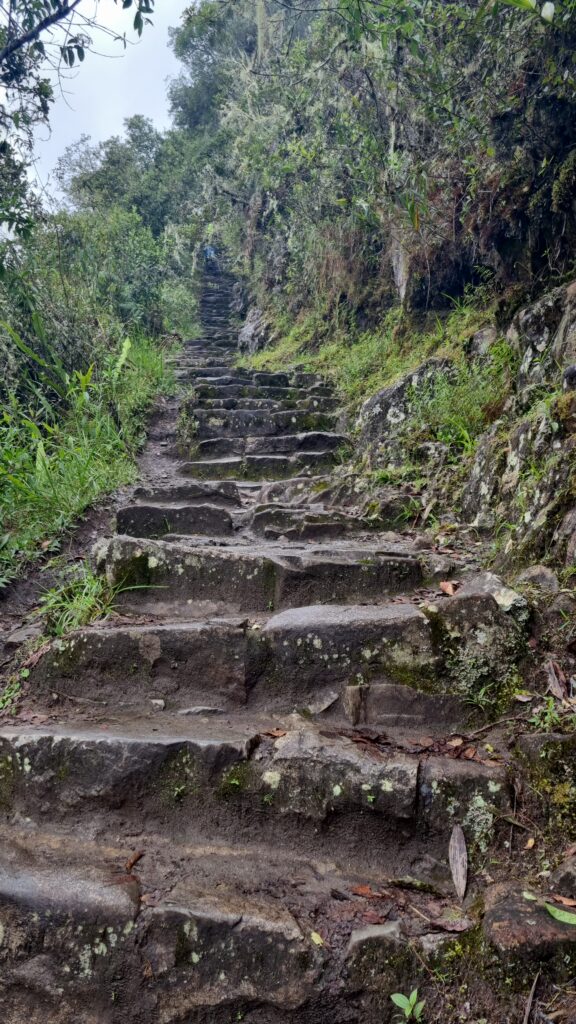
Even so, none of it could overshadow the untamed wilderness unfolding before my eyes day after day, or the surreal thought that I—a scruffy bloke from the small Croatian town of Vodnjan—was hiking the legendary Inca Trail towards the mythical mountain citadel of the Incas: Machu Picchu.
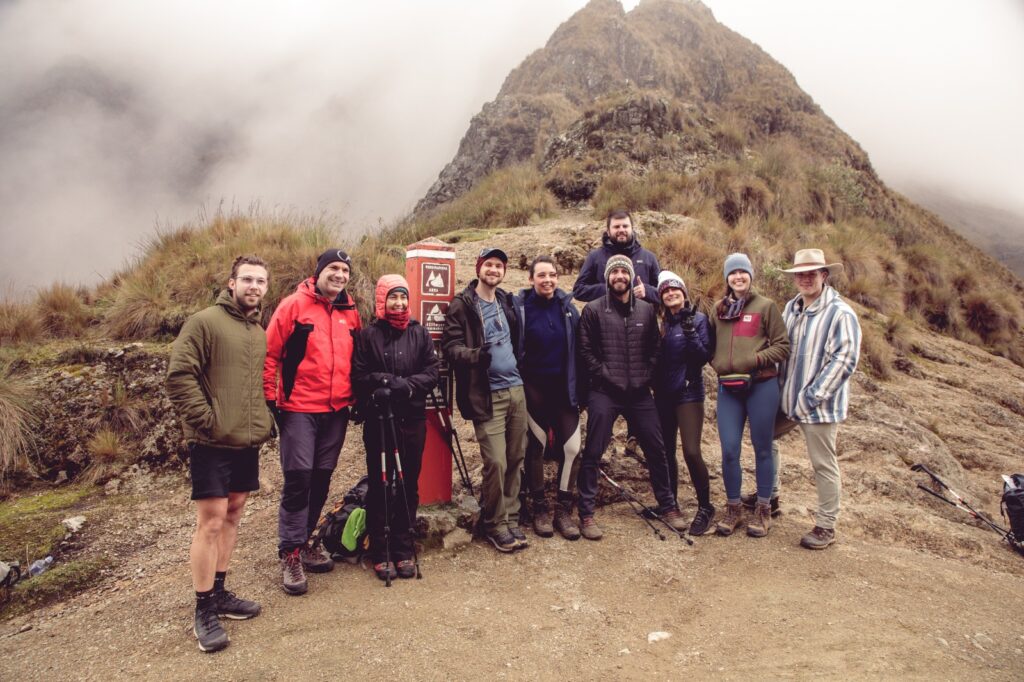
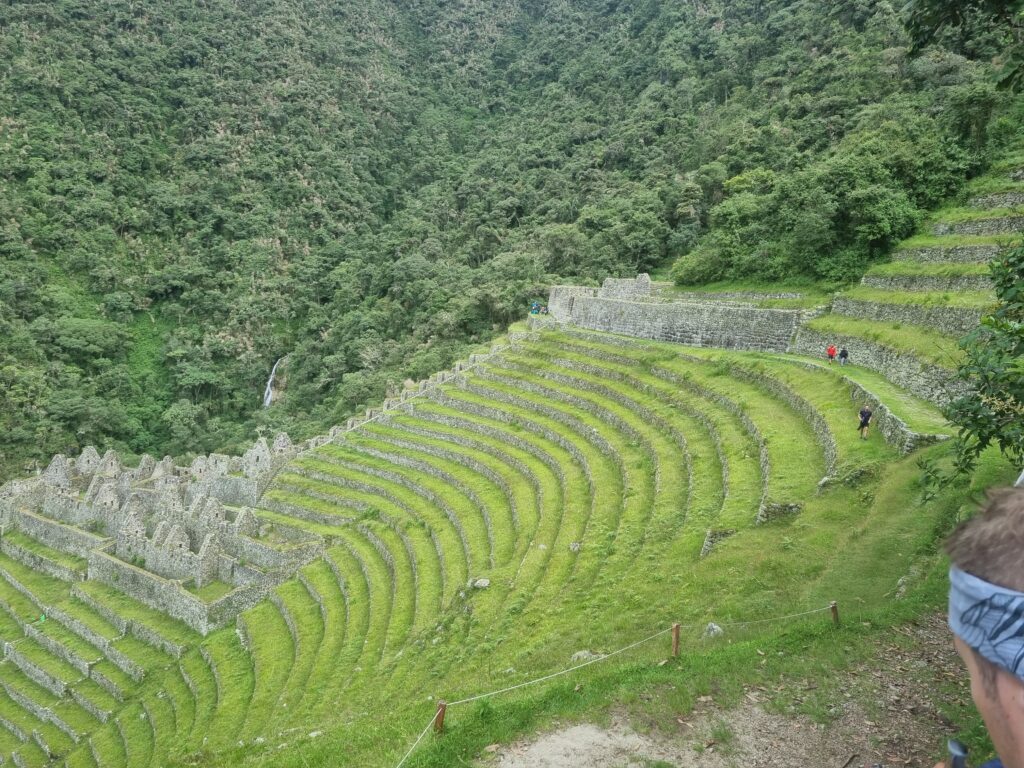
After surviving a demanding first day, we climbed to 4,200 metres on the second. It was February, which meant summer in the Southern Hemisphere, yet a warm jacket was still an essential piece of equipment. The view from the pass was breathtaking, especially with snow-capped peaks still towering high above us. It was from those very mountains that fresh drinking water once flowed all the way to Machu Picchu through an ingenious network of canals built by Inca engineers centuries ago.
As spectacular as the scenery was, it stole more than just my breath—it also drained the warmth from my body. There was still a long way to go, so José decided it was time to move on. Before leaving, I turned once more towards the weathered sign that read “Warma Wañusqa – 4,200 m” and quietly promised myself that this wouldn’t be the last time we met.
In Quechua, Warma Wañusqa translates as Dead Woman’s Pass, a name inspired by the mountain’s silhouette, which, when viewed from a distance, resembles a woman lying on her back. I took one final look around before continuing down the trail.
We had two guides: José and Abel. Abel was the heart and soul of the expedition, while José was our lead guide. His knowledge of the trail was astonishing. It seemed as though every stone had a story, and I spent most of the third day walking beside him, listening. José belongs to the Quechua people, the Indigenous inhabitants of the Andes. Interestingly, a large percentage of them—especially in Peru, where they originate—still speak Quechua, the same language once spoken by the Incas. It bears no resemblance to Spanish, although today most Quechua people speak both.
Centuries of colonial rule left deep scars on Indigenous communities, creating a fascinating blend of ancient beliefs and Catholicism. Although José considered himself a devout Catholic, he never began a single day without first pouring a sip of water onto the ground—an offering to Pachamama, Mother Earth.
The Quechua are generally short in stature but remarkably tough. Their faces are weathered by the mountain sun, and most of the men rarely grow much facial hair. At first glance, a European might assume they’re physically weaker than we are. That illusion disappeared the moment I watched them climb. Carrying backpacks weighing twenty or even thirty kilograms, they practically ran past us while we struggled to catch our breath after only a handful of steps. I felt like Wile E. Coyote watching the Road Runner disappear into the distance. Thousands of years spent living at high altitude have made them exceptionally well adapted to the thin mountain air. They reminded me of the legendary Sherpas, without whom climbing Mount Everest would be almost impossible.
As we walked, José spoke proudly about his ancestors. It wasn’t difficult to understand why. Among many Indigenous people, there’s still a lingering resentment towards the Spanish, and for good reason. The scale of conquest, looting, and genocide inflicted upon their people is almost impossible to comprehend.
At the same time, José insisted that history wasn’t as simple as it often appears. The Incas themselves, he explained, ruled much of the Andes with an iron fist. Many smaller tribes lived under their domination and, when the Spanish arrived, saw an opportunity to free themselves. Those tribes chose to side with the conquistadors, which helps explain how just 168 Spaniards managed to bring down one of the greatest empires in the Americas. Of course, superior Spanish weaponry, horses, and the devastating European diseases to which the Indigenous population had no immunity all played an equally decisive role.
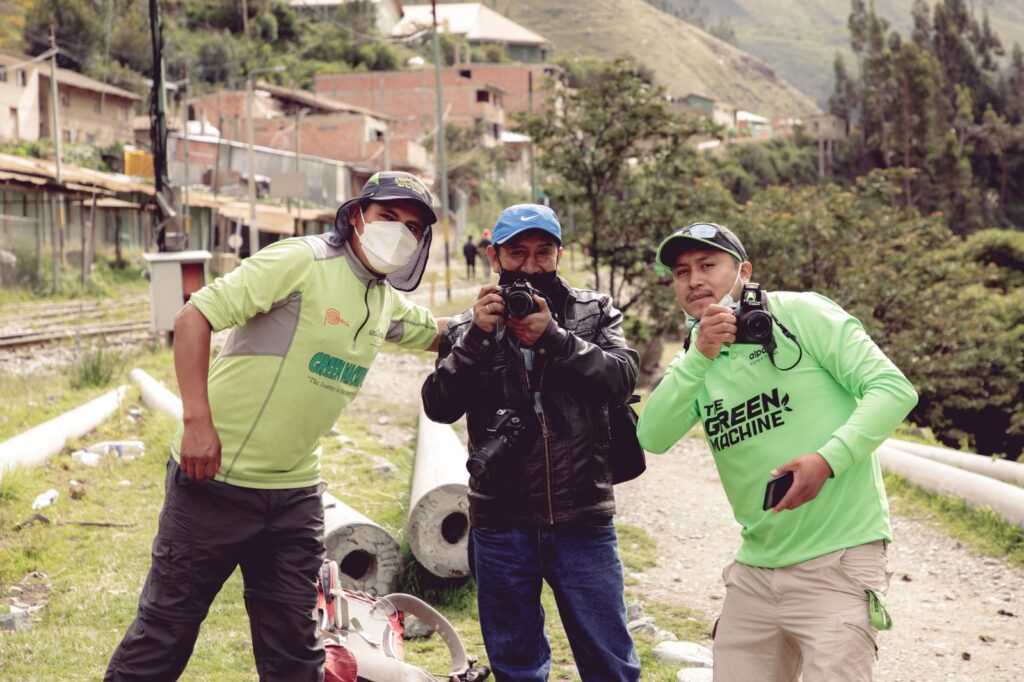
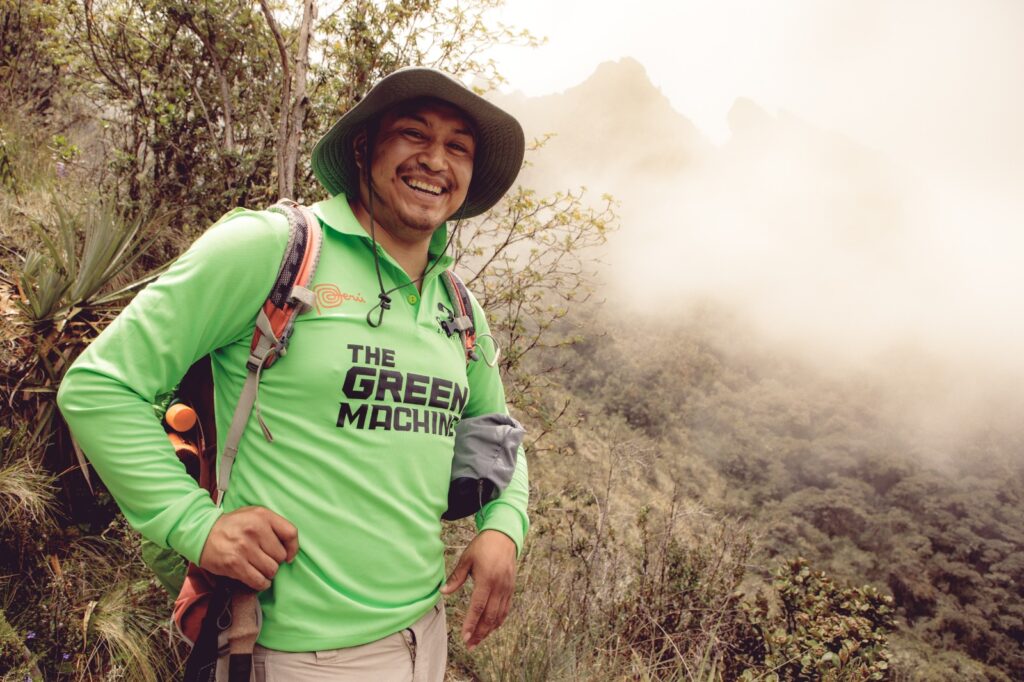
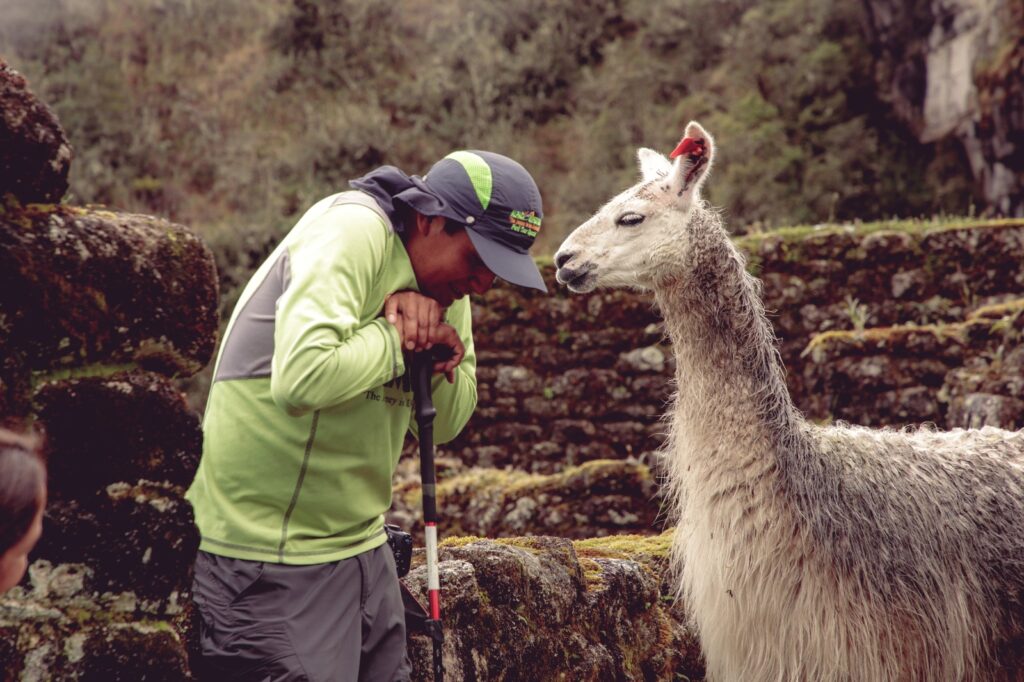
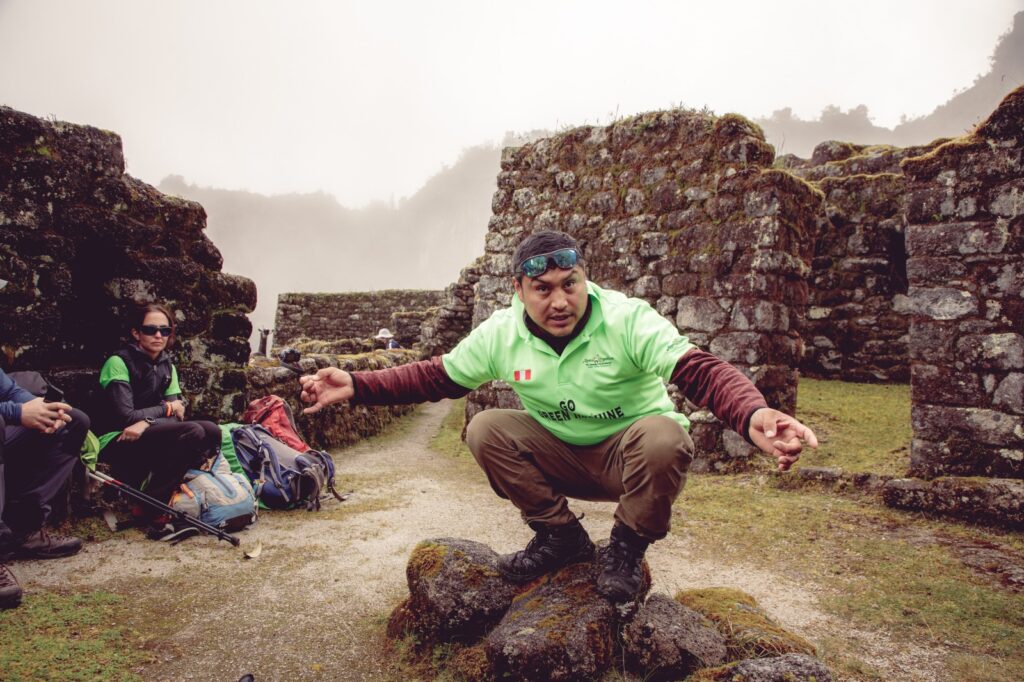
Over countless cups of coca tea, José and I had long conversations. Even before meeting him, I’d always had enormous respect for Indigenous peoples. As a kid, I was the one rooting for the Native Americans in cowboy films, and I’d always admired their way of life—a life built around simplicity and living in harmony with nature. It didn’t take long for José and me to become friends, and with every conversation he shared another little nugget of knowledge.
The Spanish—highly motivated looters, as history has shown—never found Machu Picchu. Remarkably, the Lost City remained hidden from the outside world until 1911, when the American explorer and academic Hiram Bingham reached it with the help of a local boy who guided him through the mountains.
What I found even more fascinating was that, for centuries, no one living in the surrounding area had ever mentioned Machu Picchu to outsiders.
Lowering his voice, José told me that many Quechua believe the Incas didn’t actually build Machu Picchu—they merely inherited it.
“But that’s another story,” he smiled. Then he left me with one final thought.
“Who knows how many more cities are still hidden beneath the dense vegetation of the Amazon rainforest?”
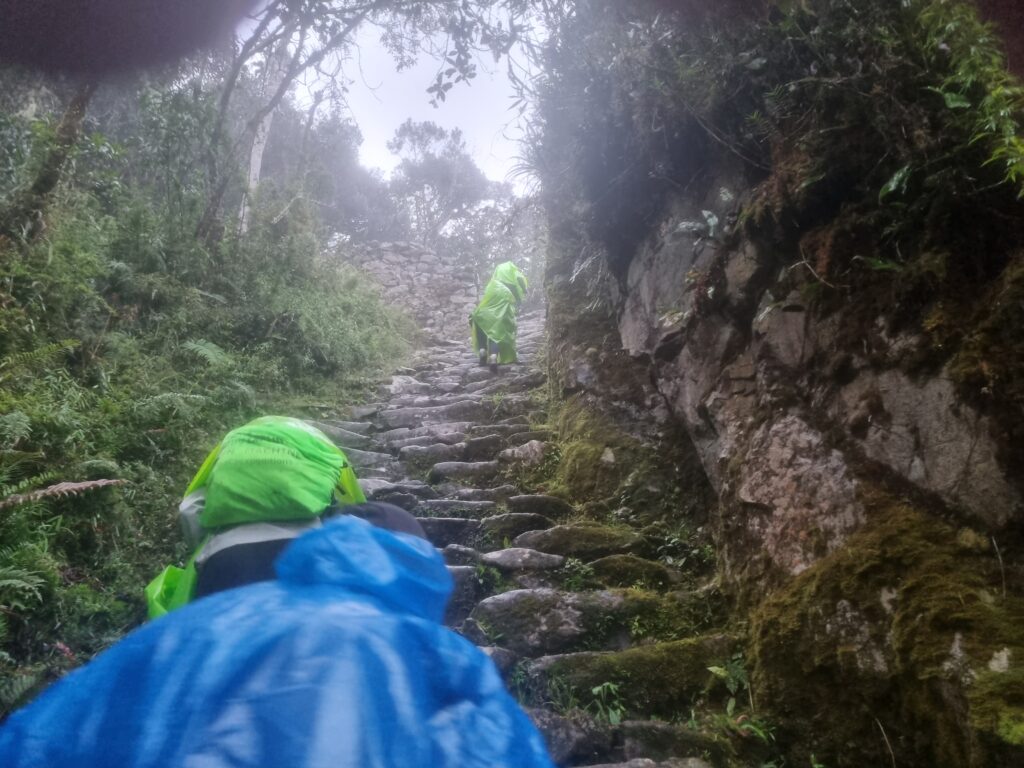
I thought about that as I followed the ancient stone paths of the Incas. Some questions, I realised, simply aren’t meant to have answers. Then another thought crossed my mind. I hoped that one day I’d enjoy my own work as much as José enjoyed his.
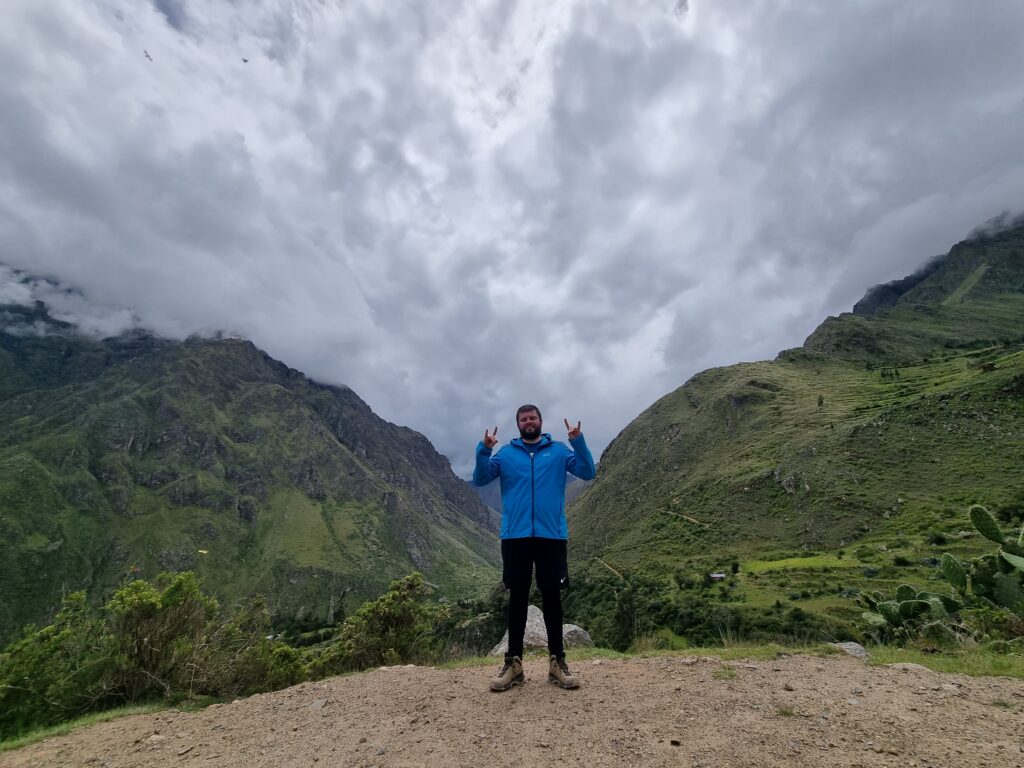
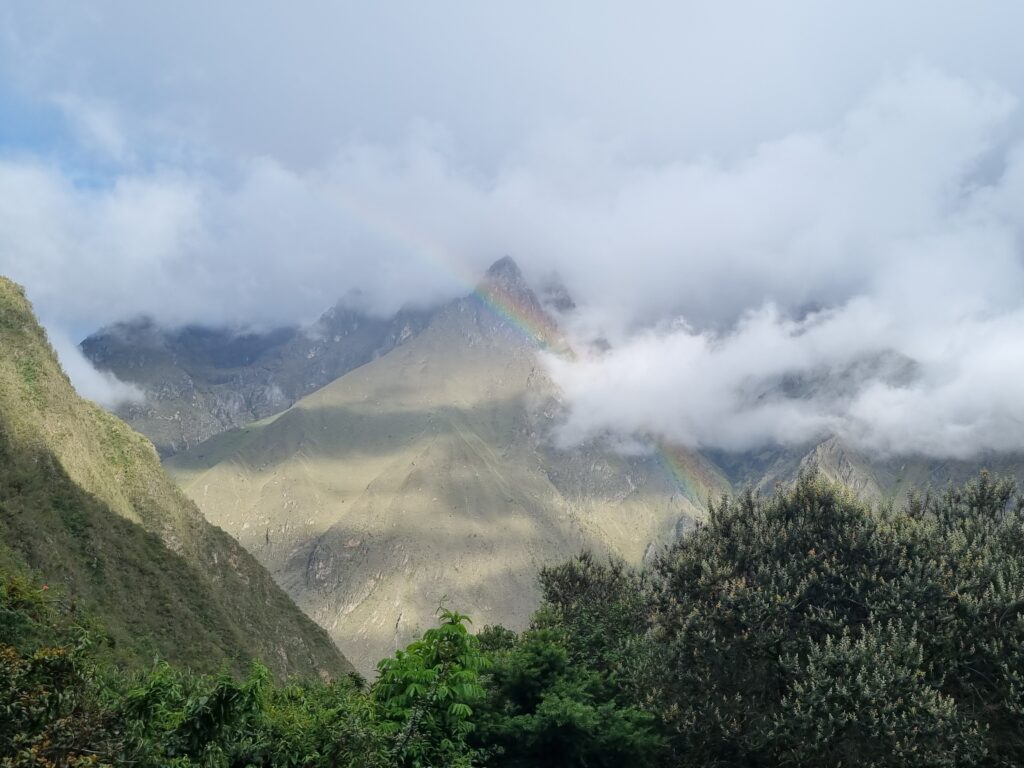
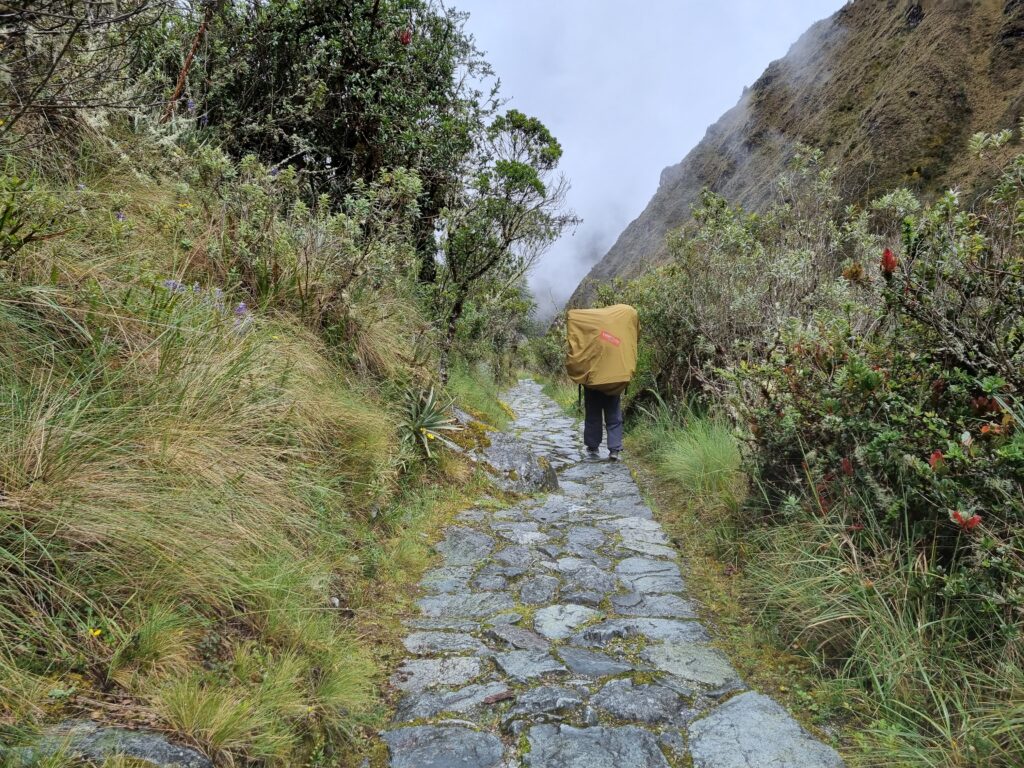
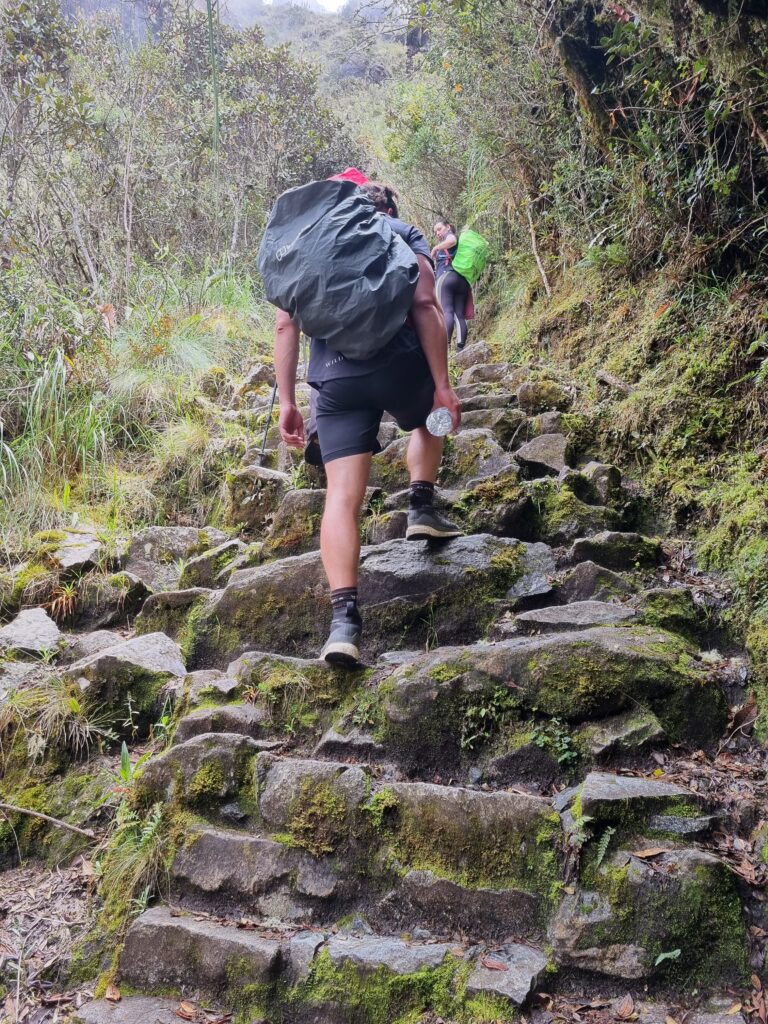
On the fourth day, we woke up at around three in the morning. Rain had drummed relentlessly against my tent throughout the night, and between the miserable weather and the anticipation of finally reaching the highlight of the journey, sleep had been almost impossible. I lay there stiff as a board inside my sleeping bag, waiting for the familiar ritual of our guides waking us with steaming cups of coca tea.
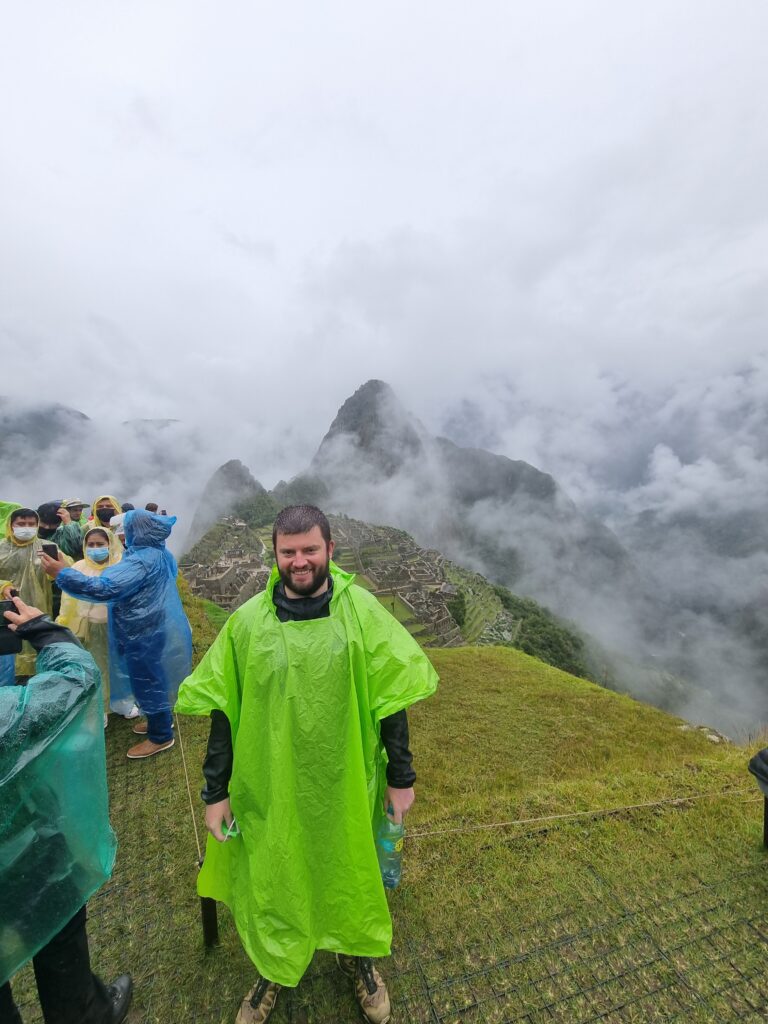
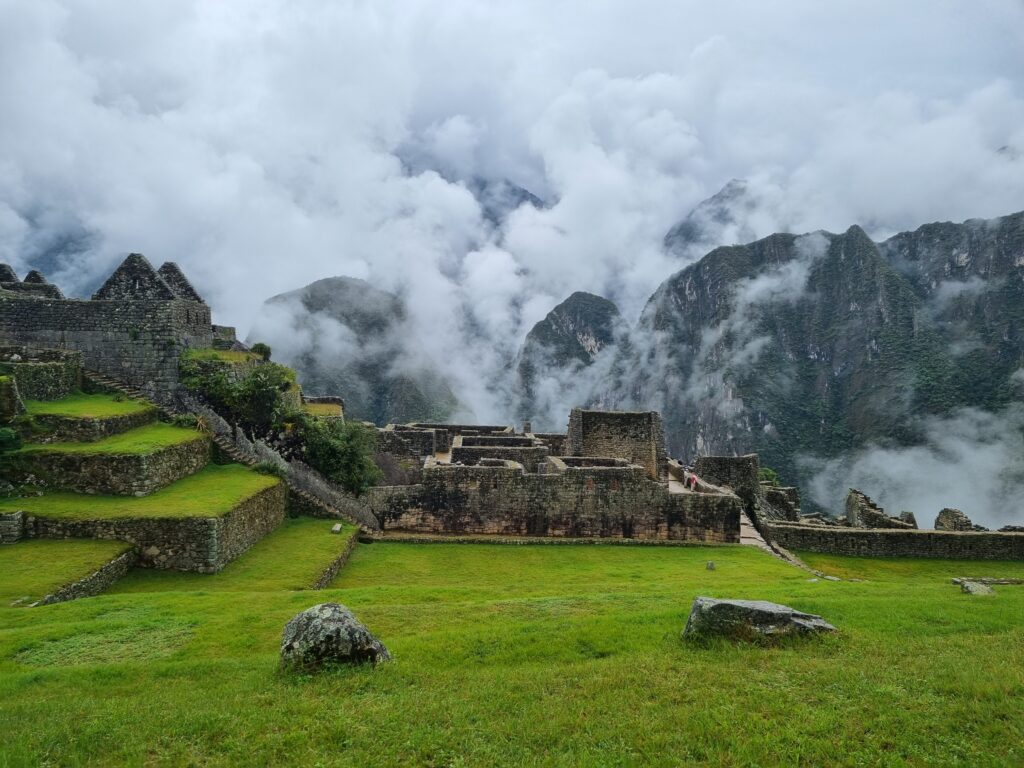
Only five kilometres remained. Most of them would be walked in darkness. The idea behind such an early start was simple: reach Machu Picchu before the first buses arrived, allowing us to experience it with as few people around as possible. Unfortunately, the weather had other plans. Thick fog swallowed the landscape, robbing us of what José described as perhaps the most spectacular moment of the entire trek—the Sun Gate. Perched some three hundred metres above Machu Picchu, the Sun Gate offers the first panoramic view of the ancient city. We had timed our arrival perfectly, hoping to watch the sunrise illuminate the ruins below. It wasn’t meant to be.
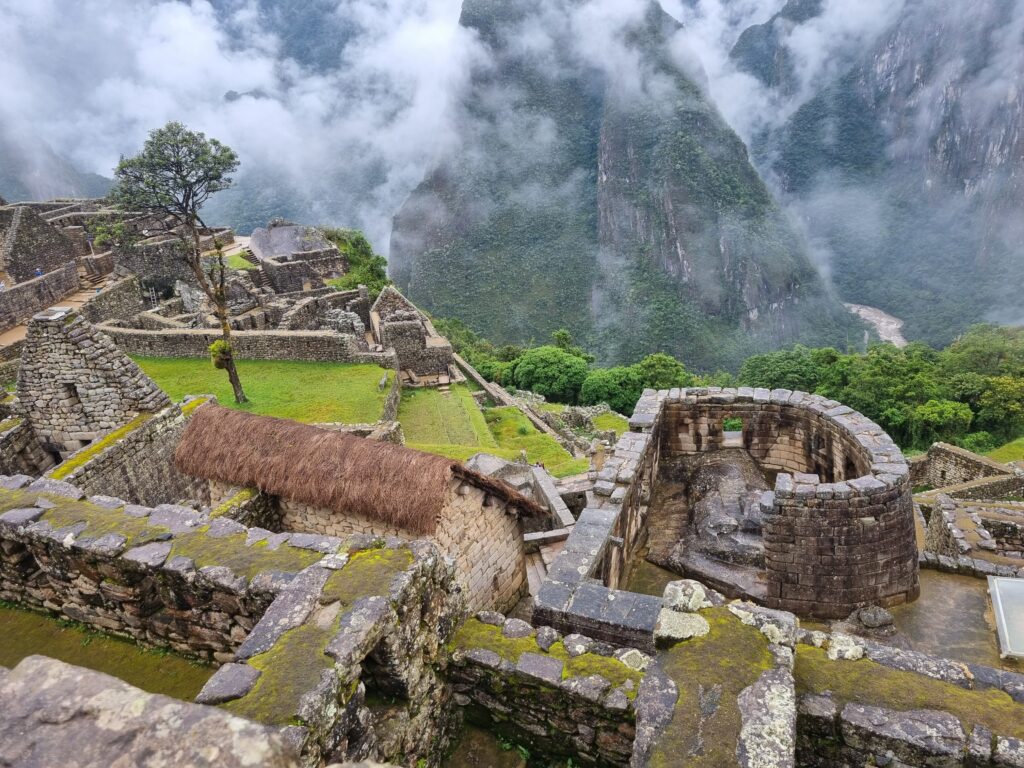
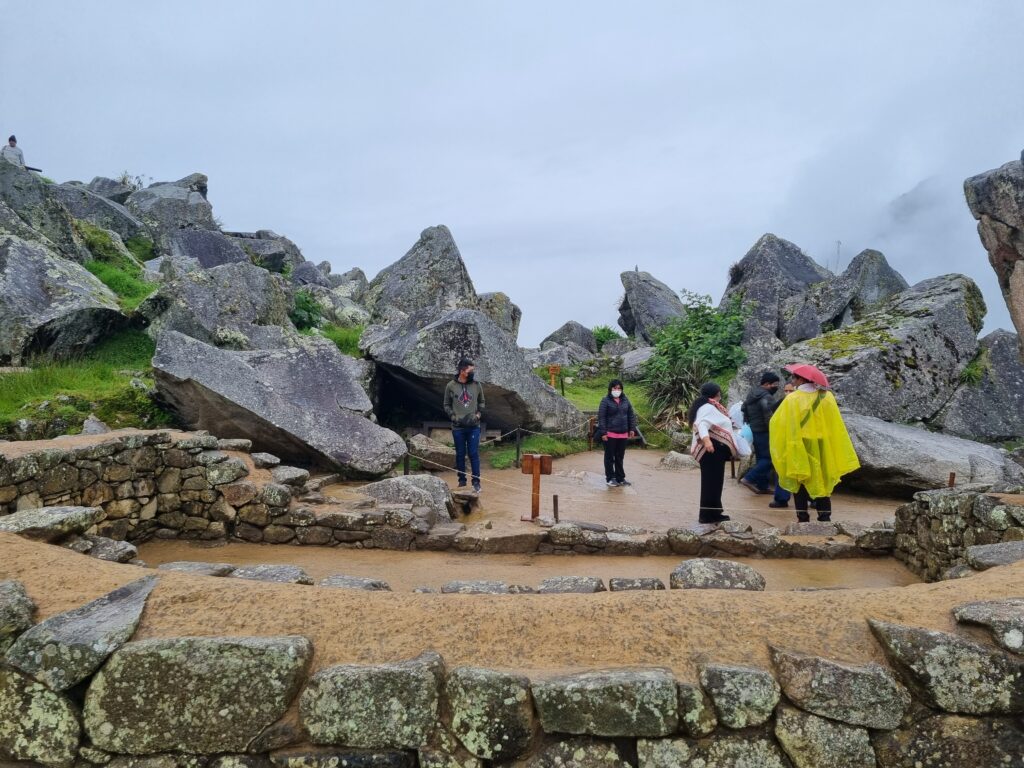
Over the previous four days I’d seen countless places that are difficult to put into words, but nothing could have prepared me for the moment I actually stepped into Machu Picchu. There was something magical about it, as though the place itself radiated an energy I couldn’t explain. I wandered through the ruins in complete silence, my mind drifting from one question to another.
How is it even possible that a place like this exists?
What did it look like when people still lived here?
What must Hiram Bingham have felt when that young local boy led him to the Lost City for the very first time?
The voices of other visitors faded into the background until José pulled me back to reality.
“Why aren’t you taking any photos?” he asked, looking genuinely puzzled.
“My phone died yesterday,” I replied with a smile. “And I left the charging cable back at the hostel in Cusco.”
Oddly enough, I wasn’t disappointed. José laughed, seemingly delighted that someone had just walked fifty kilometres to reach one of the world’s most famous landmarks without worrying about taking a single photograph. A girl from Amsterdam, who had been part of our group throughout the trek, overheard the conversation and handed me her power bank. A few minutes later, José was happily taking photos of me—and for me.
I certainly wasn’t going to complain. It would have been a shame to leave the Old Mountain—Machu Picchu in Quechua—without a single photograph. But in that moment, none of it really mattered. I felt completely empty… and somehow completely full at the same time.
José gathered us together before we left.
“You are the people who walked the Inca Trail,” he said proudly. “This is the original route the Incas used to reach Machu Picchu. You followed the same path they once walked.”
He paused and pointed towards the crowds beginning to arrive below.
“Those people came by train and bus.”
“They cheated.”
He smiled as he handed each of us a T-shirt awarded to everyone who completed the trek. Looking back, I recommend exactly the same thing to anyone planning to visit Machu Picchu. Walk there. Earn it. It’s as though you’ve given a small part of yourself to the mountain… and in return, Machu Picchu gives you something back. It certainly did for me.
Back to Europe
When I returned from Peru, I felt emotionally drained. Slipping back into everyday life was harder than I’d expected. One evening after work, I was making my way down into the underground station, where I was greeted by a smell I’d come to know all too well—a cocktail of stale air, cigarette smoke, piss, and homelessness. The unmistakable scent of a big city.
I shuffled towards the front of the platform like a programmed zombie, following the same routine I’d repeated countless times before.
“The thought that tomorrow is another working day makes me sick,” I muttered aloud.
I hadn’t meant for my colleague to hear me, but he did. The corner of his mouth curled into a smile. He found it amusing. I didn’t. The train ride home passed in a blur. I was completely absent, asking myself endless rhetorical questions and wondering where I actually wanted my life to go. I stepped onto the underground as one person and walked out thirty-five minutes later as another. Looking back, moments like that slowly pushed me towards the decision to leave for South America. The path ahead was becoming clearer, and the clearer it became, the happier I felt. I was already standing on the edge of the cliff. All I needed was one final push.
It came six months later, in Scotland.
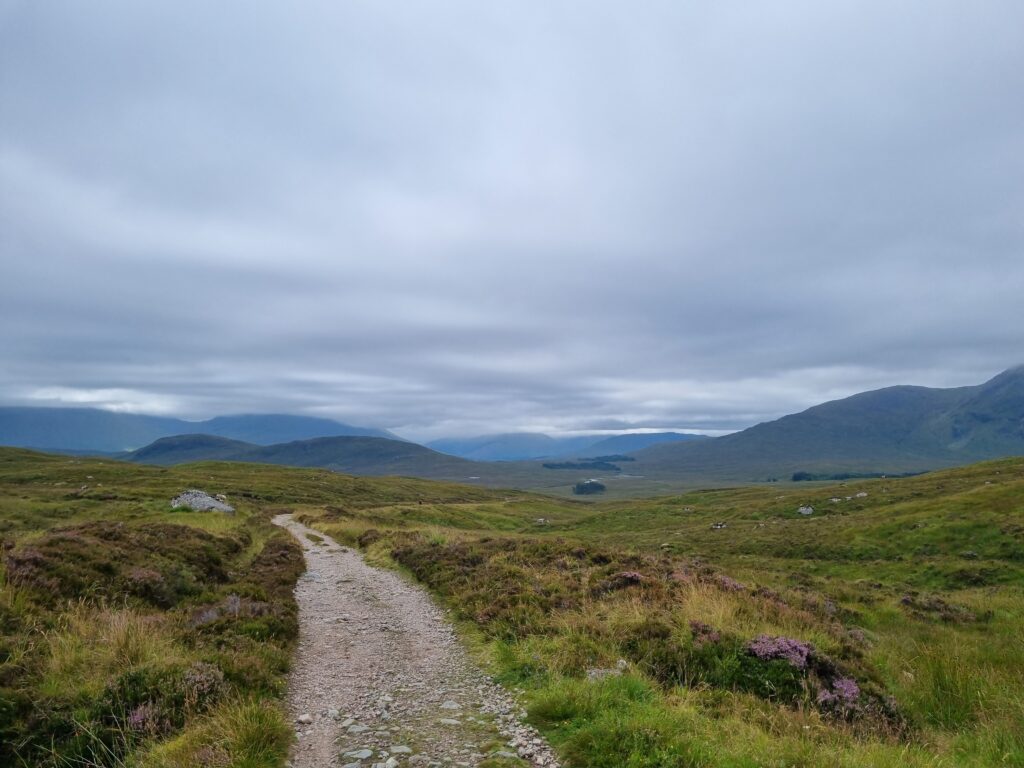
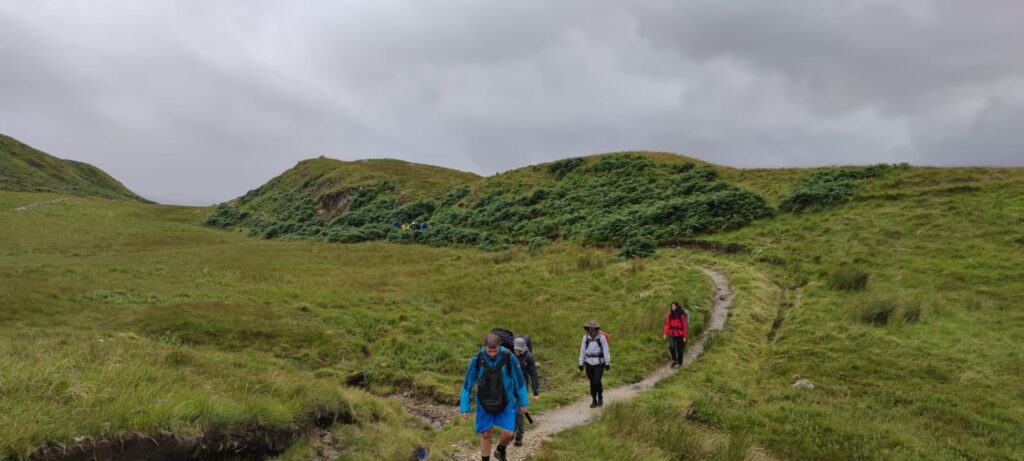
My friend and I had decided to hike the West Highland Way, a 154-kilometre trail we planned to complete in just five days because that was all the time we had. Covering around thirty kilometres a day meant spending hours alone with our thoughts, but that’s part of what makes journeys like these so special. Along the way, you meet people chasing something remarkably similar to yourself. Different personalities, different stories, different reasons for being there.
On the second-to-last evening, after another exhausting thirty-six-kilometre day, we collapsed into the village pub where we were spending the night and demolished our burgers in about four bites, as though we hadn’t eaten for weeks.The first beer quenched our thirst. The second one we actually enjoyed. Tired, full, and finally relaxed, we sat in comfortable silence until a cheerful, skinny girl in a bright red jacket approached our table.
“Hey!”
She was the Spaniard my friend had met on the very first day of the trail. She joined us for a beer, along with two Canadians we’d crossed paths with earlier. A few rounds later, the plan was set—we’d tackle the final stage together the following morning. We set off early, hoping to have plenty of time to explore Fort William, the town marking the end of the West Highland Way. Around twenty-six kilometres still separated us from the finish, and the Scottish weather showed no mercy. Rain and fierce winds tested us every step of the way. To pass the time, I started chatting with the Spaniard. What had brought her here? What was her story? Where was she from? Every answer she gave led to another question.
She had travelled across South America alone. She had walked most of this 154-kilometre trail alone. And the following year, she planned to move to Colombia for twelve months and simply see where life would take her. There was no doubt about it. I was walking beside someone with extraordinary courage. I almost made a joke about whether it was difficult carrying such enormous balls around everywhere she went, but we’d only just met and I figured terrifying her with my questionable sense of humour probably wasn’t the best first impression.
Instead, I found myself talking about South America. Strangely, it felt easier to open up to a complete stranger than to people I’d known my whole life. I spoke less than I listened, but our conversation stirred something inside me. I was angry with myself. Angry about the years I’d wasted. I needed to start living the life I actually wanted. As if she’d read my mind, she looked at me and said,
“If you want to travel around South America…”
“…then go.”
We were climbing yet another relentless Scottish hill while rain continued to pour around us. The first sentence broke through my defences. The second knocked me out completely.
“We only get one life.”
My feet were burning. Fatigue had settled deep into my body after days of walking, and the thought of another fifteen kilometres made every muscle protest. My little toe on my right foot had swollen to the size of a thumb.
“You’re right,” I replied.
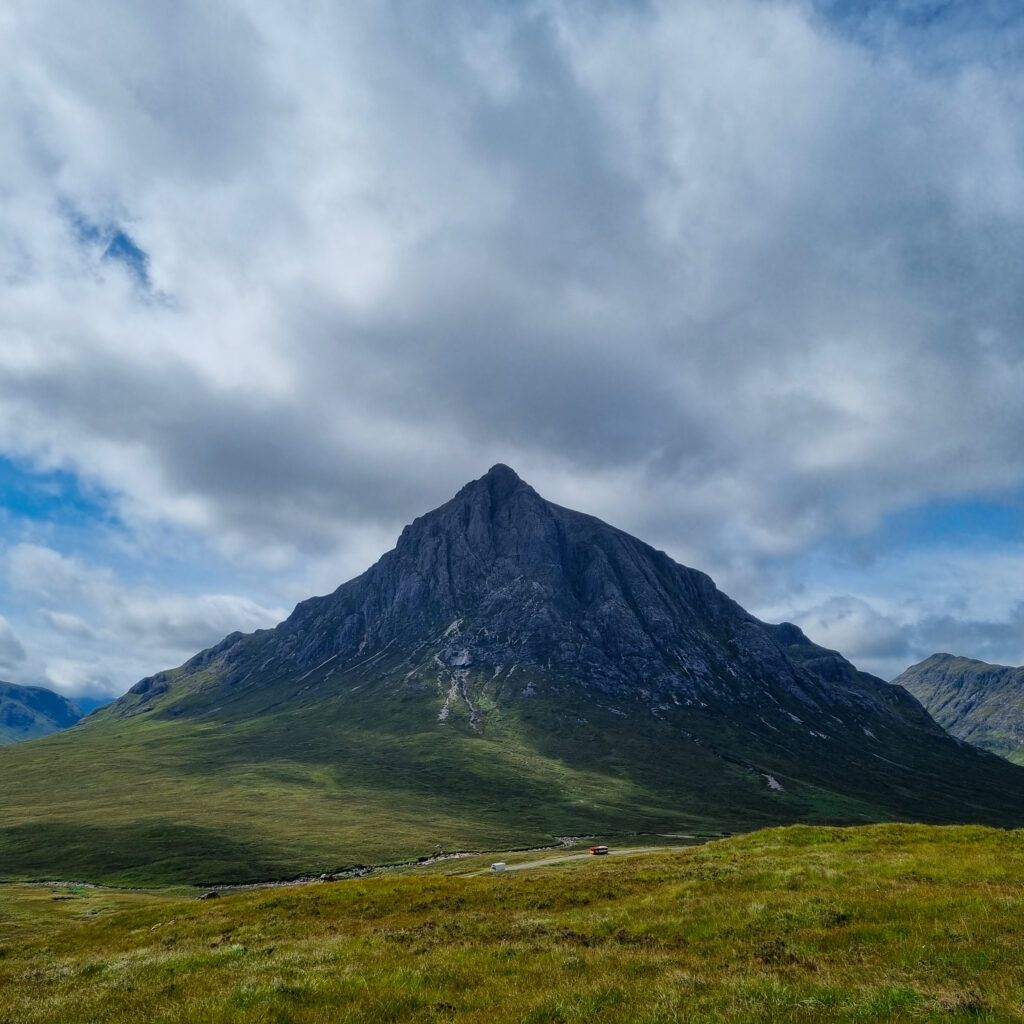
I didn’t have the breath for anything more. The climb was brutal, but the reward matched the effort. Towering mountains stood around us like silent guards saluting a job well done, and for a brief moment even the sun decided to make an appearance, painting a shy rainbow across the Scottish Highlands. The rain no longer bothered me. Neither did the wind. Something had finally clicked. Once I’d saved enough money, I was going back to South America. This time, for longer. I wanted to explore that extraordinary continent whose call still reaches me from time to time—like the scent of the night itself, whispering: Wake up. Move.